 966535733690 +


The importance of environmental impact assessment and the environmental dimension in development projects in Saudi Arabia

Comprehensive environmental impact assessment represents a fundamental step in ensuring the sustainability of modern projects and their compliance with international standards. As environmental risk management requirements continue to expand, the importance of adopting precise methodologies that rely on the latest environmental impact assessment technologies—from analysis to implementation—becomes increasingly evident. In this comprehensive guide, we present the key stages of environmental impact assessment, advanced evaluation tools, and mitigation strategies, along with successful models that highlight the role of environmental planning in enhancing project efficiency and achieving long-term sustainability. So stay with us.
Table of Contents:
- Why Environmental Impact Assessment Has Become a Strategic Necessity for Modern Projects
- Comprehensive Stages of Environmental Impact Assessment: From Study to Application
- Advanced Tools and Techniques for Environmental Impact Analysis
- Practical Strategies for Mitigation and Environmental Risk Management
- International and Local Standards for Environmental Impact Assessment in Saudi Arabia
- Recent Case Studies: Projects That Excelled Thanks to Environmental Impact Assessment in Saudi Arabia
- Future Innovations in Environmental Impact Assessment
- Practical Recommendations for Companies and Investors
- Frequently Asked Questions
Why Environmental Impact Assessment Has Become a Strategic Necessity for Modern Projects
تعتبر أهمية Environmental impact assessment Environmental impact assessment is a key factor in ensuring the sustainability of projects and improving environmental risk management before implementation begins.
-
The Role of Environmental Impact Assessment in Protecting the Environment and Public Health
Environmental impact assessment helps reduce negative impacts on air, water, and soil, thereby protecting public health and ecosystems. Through accurate analysis and the adoption of sustainability measures in projects, environmental risks are mitigated, ensuring a safe environment for surrounding communities and project beneficiaries.
-
Economic and Legal Impact of Ignoring Environmental Assessment
Ignoring environmental impact assessment may lead to substantial fines, project delays, and loss of investor and customer trust. Additionally, it results in high environmental repair costs and exposes companies to legal accountability. Therefore, environmental impact assessment is an essential step for companies to ensure project sustainability, environmental risk management, and legal compliance.
-
How Environmental Impact Assessment Contributes to Enhancing the Company's Image and Compliance with International Standards
Environmental impact assessment helps companies build a strong reputation and increase investor confidence by:
- Enhancing compliance with international standards such as ISO 14001 and UNEP agreements.
- Demonstrating social and environmental responsibility toward surrounding communities.
- Reducing operational and financial risks through sound environmental planning.
- Achieving excellence in project sustainability, elevating the company's status in both local and international markets.
Avoid environmental risks and fines – our experts will respond to you immediately on WhatsApp.
Comprehensive Stages of Environmental Impact Assessment: From Study to Application
Environmental impact assessment stages cover all steps of the project, from the initial study and impact analysis to practical planning and efficient implementation of the environmental protection plan.
-
Collection and Analysis of Accurate Environmental Data (Air, Water, Soil, Biodiversity)
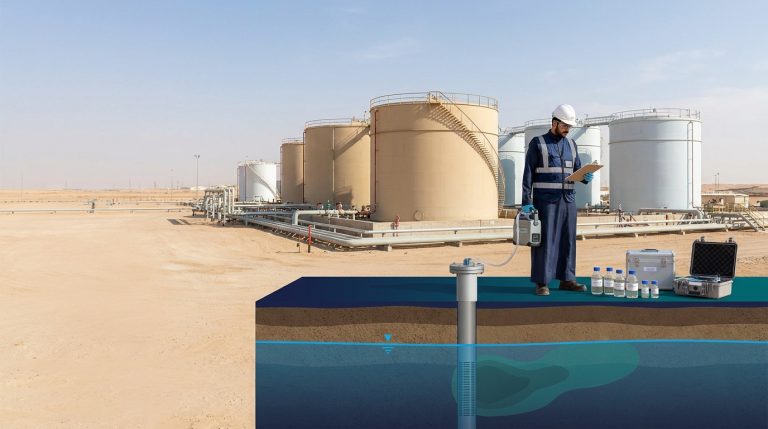
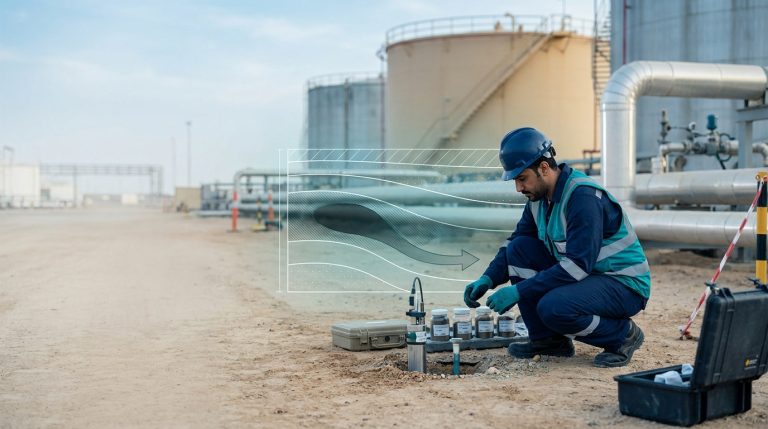
The first stage involves collecting precise data on air, water, soil quality, and biodiversity to ensure a complete understanding of the surrounding environment. Advanced analysis is used to identify sensitive areas, pollution sources, and important natural resources, providing a strong foundation for making informed decisions and protecting the environment within the environmental impact assessment stages, as well as determining effective mitigation strategies.
-
Identifying Direct, Indirect, and Long-Term Impacts
In this stage, the direct and indirect impacts of the project are analyzed, including its effects on natural resources and the surrounding community. This includes forecasting potential long-term impacts and seasonal or economic changes. This in-depth understanding ensures the development of effective mitigation plans and the achievement of project sustainability, while comprehensively reducing environmental risks.
-
Developing an Action Plan and Practical Mitigation Recommendations
After analyzing the impacts, a comprehensive action plan is designed, including practical mitigation recommendations such as reducing emissions, waste management, and protecting biodiversity. The plan aims to integrate the best environmental practices at each stage of the project, ensuring effective implementation of the environmental protection plan and enhancing the project's image as a responsible and sustainable partner in the community.
Advanced Tools and Techniques for Environmental Impact Analysis
Modern environmental impact assessment techniques enable the use of advanced tools to accurately measure impacts, from field analysis to predicting future risks and effectively protecting the environment.
-
Using Geographic Information Systems (GIS) to Monitor and Predict Impacts
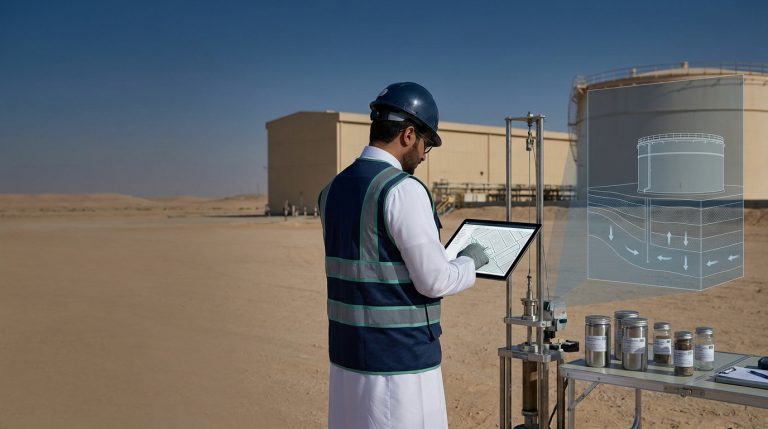
Geographic Information Systems (GIS) are a key tool for monitoring the environment and accurately analyzing spatial data. GIS allows for tracking changes in air, water, and soil, as well as predicting potential impacts of projects in the short and long term. This technology helps companies make informed decisions, achieve project sustainability, and reduce environmental risks in a systematic and effective manner.
-
Environmental Simulation and Prediction Models
Environmental simulation models contribute to forecasting the impacts of projects before implementation, by simulating emissions, water pollution, and changes in biodiversity. These models provide accurate insights into future scenarios, enabling project teams to analyze impacts and develop appropriate mitigation strategies, ensuring environmental protection and project sustainability in line with best practices.
-
Emission, Water Pollution, and Waste Management Measurement Tools
Companies rely on tools to measure emissions, water pollution, and waste management to monitor environmental quality accurately. These tools assist in tracking pollution, reducing health risks, and improving the implementation of environmental protection plans. By integrating this data with simulation and GIS technologies, smart environmental decisions can be made, ensuring project sustainability and long-term protection of natural resources.
Practical Strategies for Mitigation and Environmental Risk Management:
Environmental impact mitigation strategies focus on reducing risks, protecting natural resources, and managing waste in sustainable and effective ways throughout the project.
-
Methods for Reducing Emissions and Air Pollution
Methods to reduce emissions contribute to protecting the environment and improving air quality, including:
- Using modern emission purification technologies for industrial emissions.
- Replacing fossil fuels with clean, renewable energy sources.
- Improving equipment and machinery efficiency to reduce harmful emissions.
- Monitoring emissions periodically and applying immediate corrective measures.
-
Sustainable Solutions for Industrial and Liquid Waste Management
Waste management is a key step in protecting the environment and reducing health risks. Sustainable solutions include:
- Recycling solid and industrial waste for use in new production processes.
- Treating liquid waste before discharging it into the environment.
- Adopting waste separation systems and reducing waste at the source.
- Employing environmentally friendly technologies to convert waste into energy or useful materials.
- Training teams on best waste management practices and achieving sustainable impact mitigation.
-
Biodiversity Protection and Habitat Restoration
Environmental impact assessment helps protect biodiversity and restore damaged natural habitats by planting native plants, rehabilitating animal habitats, and regularly monitoring ecosystems. This ensures the sustainability of natural resources and enhances the project's image as an environmentally responsible partner, supporting project sustainability and reducing environmental risks.
International and Local Standards for Environmental Impact Assessment in Saudi Arabia
Projects in Saudi Arabia adhere to international and local standards for environmental impact assessment to ensure project sustainability and legal compliance.
-
International Agreements and Standards (UNEP, ISO 14001)
The environmental dimension company contributes to applying the best international standards for environmental protection through:
- Complying with UNEP agreements to protect natural resources and biodiversity.
- Adopting environmental management systems according to ISO 14001 to enhance project sustainability.
- Monitoring environmental performance and reducing environmental risks through accurate reports.
- Promoting transparency and corporate social responsibility.
- Integrating best environmental practices at all stages of the project to ensure environmental impact mitigation and compliance with international standards.
-
Local Legislation and Environmental Approval Requirements
The environmental dimension company helps businesses comply with local legislation and ensure project sustainability by:
- Obtaining environmental approvals before starting any project.
- Complying with local laws regarding air, water, soil, and waste.
- Submitting necessary studies and reports for environmental impact assessment (EIA).
- Continuously updating environmental policies to align with legal requirements.
- Integrating practical recommendations into project management to ensure compliance and protect natural resources.
-
Role of Regulatory Bodies and Continuous Review
Regulatory bodies play a vital role in supporting environmental impact assessment and ensuring legal compliance by:
- Regularly reviewing projects to ensure adherence to national and international standards.
- Issuing guidelines and instructions related to mitigation and environmental risk management.
- Monitoring the implementation of environmental plans and overseeing company performance.
- Providing technical support and overseeing the implementation of EIA recommendations.
- Promoting a culture of environmental responsibility among businesses to ensure project sustainability and the protection of natural resources.
We help you prepare accredited Environmental Impact Assessment (EIA) reports – Contact us directly.
Recent Case Studies: Projects That Excelled Thanks to Environmental Impact Assessment in Saudi Arabia
Case Studies Highlighting How the Environmental Dimension Company Has Helped Saudi Projects Achieve Sustainability and Improve Environmental Performance
-
Industrial Projects Successful in Reducing Environmental Impact
Several industrial projects, supported by the Environmental Dimension Company, have succeeded in reducing emissions, managing waste, and improving air and water quality. These projects focus on applying the best EIA practices, enhancing environmental protection, reducing health risks, and improving operational efficiency. They have become clear examples of successful EIA and long-term sustainability.
-
Renewable Energy Projects as Evidence of Effective Environmental Planning
Renewable energy projects in Saudi Arabia, supported by the Environmental Dimension Company, have proven their ability to balance production with environmental efficiency. The use of environmental impact assessment helped identify optimal locations, reduce impacts on natural habitats, and ensure compliance with international standards. These projects have become a clear example of sustainable projects and effective environmental planning.
-
How Companies Achieved Sustainability and Profitability Through EIA
Companies, in collaboration with the Environmental Dimension Company, achieved sustainable profitability by integrating EIA into all stages of the project. Proper environmental planning led to reduced operational costs, improved company image, enhanced investor confidence, and ensured compliance with environmental standards. These examples serve as clear models for improving environmental performance and the success of sustainable projects.
-
Future Innovations in Environmental Impact Assessment
The Environmental Dimension Company is committed to providing innovative solutions for the future of environmental impact assessment using the latest technologies.
-
The Role of Artificial Intelligence and Data Analytics in Assessment
Artificial intelligence in EIA and data analytics helps companies predict environmental impacts with high accuracy. By processing big data, the Environmental Dimension Company’s team can identify potential risks, improve mitigation plans, and enhance project sustainability, making the environmental impact assessment process faster, more effective, and reliable.
-
Environmental Forecasting for Future Projects
Environmental forecasting techniques allow companies to predict the environmental impacts of future projects before implementation. The Environmental Dimension Company helps analyze different scenarios, develop flexible mitigation strategies, and ensure compliance with international standards. This ensures a future for environmental impact assessment that is both effective and sustainable, reducing risks and protecting natural resources.
-
Innovations in Protecting Natural Resources and Achieving Long-Term Sustainability
The Environmental Dimension Company is working on innovations to protect natural resources, such as biodiversity monitoring technologies and smart waste management. These innovations contribute to achieving long-term project sustainability, enhancing environmental responsibility, and reducing negative impacts. As a result, environmental technology has become a central focus in future planning and the efficient management of EIA.
Practical Recommendations for Companies and Investors
The Environmental Dimension Company Provides Practical Recommendations to Enhance Environmental Impact Management and Improve Corporate Sustainability Effectively
-
The Importance of Integrating Environmental Impact Assessment in All Stages of the Project
Integrating professional environmental assessment in all stages of the project emphasizes:
- Early planning to reduce environmental risks.
- Incorporating sustainability in design, implementation, and operation.
- Improving the quality of investment decisions and reducing long-term costs.
- Enhancing compliance with local and international regulations.
- Improving the company's image among investors, partners, and the local community.
-
Recommendations for Implementing International Best Practices
To implement international best practices, the Environmental Dimension Company recommends:
- Complying with ISO 14001 standards and UNEP international agreements.
- Continuously monitoring and analyzing environmental impacts.
- Adopting modern technologies such as GIS and environmental simulation models.
- Training teams to effectively manage environmental risks.
- Documenting procedures and results to ensure transparency and compliance.
-
Achieving a Balance Between Profitability and Environmental Sustainability
Professional environmental impact assessment helps companies achieve a balance between profitability and environmental sustainability. By integrating mitigation plans and risk management, operational efficiency can be increased, long-term costs reduced, and the company's image and commitment to international standards enhanced. The Environmental Dimension Company provides expertise and support to ensure this balance is achieved sustainably and effectively.
Frequently Asked Questions:
What is Environmental Impact Assessment and Why is it Important?
Environmental Impact Assessment (EIA) is the process of analyzing the potential effects of projects on the environment before implementation. It ensures the protection of natural resources, reduces risks, and ensures the sustainability of the project according to international standards.
What Are the Stages of Environmental Impact Assessment?
The stages include collecting and analyzing environmental data, identifying direct and indirect impacts, and developing a mitigation plan to ensure the project is implemented sustainably and effectively.
What Tools and Techniques Are Used in Environmental Impact Assessment?
Geographic Information Systems (GIS), environmental simulation models, and tools for measuring emissions and waste management are used to ensure accurate analysis and minimize environmental risks.
How Does Environmental Impact Assessment Enhance a Company’s Image?
Complying with environmental impact assessment enhances social and environmental responsibility, increases investor confidence, and improves the sustainability and profitability of the project in the long term.
What is the Difference Between Environmental Impact Assessment and EIA?
EIA stands for Environmental Impact Assessment, which refers to the same concept as environmental impact assessment. It involves analyzing environmental impacts and following mitigation strategies.
Is Environmental Impact Assessment Mandatory in Saudi Arabia?
Yes, obtaining environmental approvals and complying with environmental impact assessment requirements is mandatory to ensure that projects are executed legally and sustainably.
How Can Best Practices in Environmental Impact Assessment Be Applied?
This is achieved by integrating environmental impact assessment into all stages of the project, using modern technologies, training teams to manage risks, and documenting procedures to ensure compliance with international standards.
Do you want to ensure the sustainability of your project and achieve full environmental compliance? Rely on the experts at the Environmental Dimension Company for professional environmental impact assessment, from analysis to implementation, and get integrated solutions to protect the environment and enhance the efficiency of your project.
Contact us today and start your journey towards sustainable and successful projects.
The content was reviewed by a team of environmental experts.
Environmental content at Al-Ba’ad Al-Bia’i Environmental Consulting Company is prepared and reviewed by a team of specialists in environmental studies, environmental impact assessment, environmental compliance, and environmental monitoring.
Meet the expert team