 966535733690 +

التحقق البيئي ومعالجة الحفر الاستكشافية وإتمام أعمال تسوية موقع تعديني غير تشغيلي

دراسة حالة مكتملة لموقع تعديني غير فلزي في السعودية: من رصد الحفر المفتوحة إلى ردمها وتسويتها وإصدار تقرير إتمام موثق
مقدمة: لماذا يحتاج الموقع غير التشغيلي إلى تحقق بيئي؟
تُعد مواقع التعدين غير الفلزي من أكثر المواقع الصناعية التي تترك آثاراً بيئية واضحة بعد توقف العمليات التشغيلية، خاصةً عندما تترك حفر استكشافية مفتوحة وأكوام من نواتج الحفر ومسارات ترابية غير مؤمنة. في هذه الدراسة، نستعرض تجربة فريق البعد البيئي للاستشارات البيئية في إجراء التحقق البيئي من الوضع الراهن لموقع غير تشغيلي، ثم متابعة تنفيذ أعمال الردم والتسوية وإصدار تقرير إتمام موثق بالأدلة الميدانية.
يأتي هذا العمل في سياق متزايد من الاهتمام بمعالجة المواقع المتأثرة بالتعدين في المملكة العربية السعودية، وتحديداً مع تنامي متطلبات رخص التعدين التي تشترط إعداد خطط تسوية وإعادة تأهيل بيئي تتوافق مع معايير الاستدامة البيئية.
الهدف الرئيسي: تحويل نتائج التحقق من الوضع الراهن إلى إجراءات إغلاق قابلة للتوثيق، تقلل المخاطر البيئية والتشغيلية وتدعم المسار التنظيمي للموقع.
ملخص المشروع
| Sector | منشأة صناعية مرتبطة بنشاط تعديني غير فلزي |
|---|---|
| الخدمة | التحقق من الوضع الراهن وإغلاق الملاحظات البيئية |
| مرحلة المشروع | موقع غير تشغيلي – تمت معالجة الحفر وتسوية المناطق المتأثرة |
| Scope of work | مراجعة مستندية، معاينة ميدانية، ردم وتسوية، ضوابط تنفيذ، تحقق بعد الإتمام |
| حالة التكليف | مكتمل وموثق بتقرير إتمام وصور قبل وأثناء وبعد |
خلفية المشروع
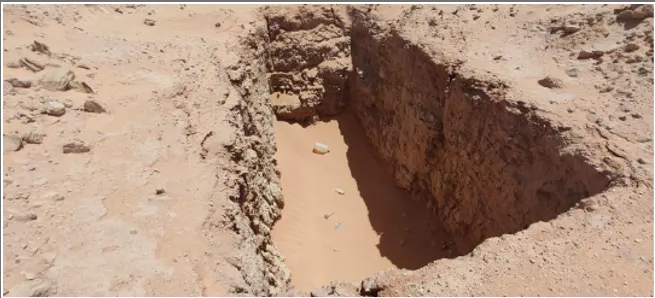
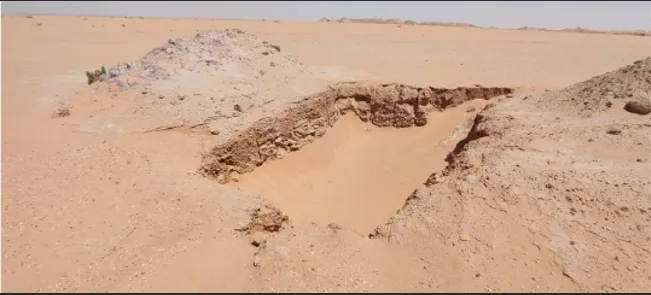
بدأ التكليف بتوثيق الحالة البيئية والتشغيلية الراهنة لموقع غير تشغيلي، حيث أظهرت المعاينة حفراً استكشافية مفتوحة ونواتج حفر ومسارات ترابية. وبعد إصدار التقرير الأساسي، امتد العمل إلى توثيق تنفيذ المعالجة المطلوبة من خلال ردم الحفر وتسوية المناطق المتأثرة والتحقق من حالة الموقع بعد الإتمام.
بُنيت دراسة الحالة على مرحلتين مترابطتين:
- تحديد خط الأساس والمخاطر الظاهرة: رصد الحالة الفعلية للموقع وتوثيق الملاحظات البيئية.
- متابعة إغلاق الملاحظات: تنفيذ أعمال الردم والتسوية وإصدار تقرير إتمام مصحوب بالصور الميدانية.
تمثل التحدي الأول في الفصل بين آثار أعمال سابقة وبين وجود تشغيل فعلي وقت المعاينة. فقد أظهر الموقع حفراً مفتوحة، وأكواماً من نواتج الحفر، ومسارات ترابية، إلا أن هذه المظاهر لا تكفي وحدها لإثبات وجود نشاط تشغيلي قائم. كان من الضروري البحث عن مؤشرات تشغيل مباشرة، مثل المعدات العاملة، وحركة المركبات المرتبطة بالإنتاج، ومناطق التحميل أو الغربلة، والانبعاثات أو الضوضاء التشغيلية.
أما التحدي الثاني فكان تقييم المخاطر من خلال الأدلة المرئية فقط، والتحدي الثالث تمثل في صياغة توصيات متناسبة مع الحالة: تحمي التربة والسلامة العامة، وتمنع اتساع الأثر، وتدعم المسار التنظيمي.
نطاق عمل شركة البعد البيئي
- مراجعة المتطلب التنظيمي والوثائق الفنية المتاحة لتحديد غرض التحقق وحدوده.
- تنفيذ زيارة ميدانية وفحص بصري منظم للحالة العامة للموقع والبيئة المحيطة.
- التحقق من وجود أو عدم وجود أعمال تشغيلية ومؤشرات نشاط مباشر وقت المعاينة.
- رصد الحفر وأكوام المواد والمسارات والمخلفات وأي مؤشرات ظاهرة للانبعاثات أو التسربات.
- تقييم الجوانب المتعلقة بالتربة والغبار والضوضاء والمخلفات والغطاء النباتي والسلامة.
- تصنيف مستوى الملاحظات المرصودة وصياغة إجراءات وتوصيات قابلة للتنفيذ.
- إعداد تقرير فني عن الوضع الراهن مع الاحتفاظ بأدلة التوثيق في السجل الداخلي للمشروع.
منهجية التنفيذ: من المراجعة المكتبية إلى المعاينة الميدانية
1. المراجعة المكتبية وتحديد حدود التحقق
بدأ الفريق بمراجعة الغرض التنظيمي من التكليف والمعلومات المتاحة عن طبيعة النشاط وحالة الموقع. استُخدمت هذه المراجعة لتحديد أسئلة المعاينة: هل توجد أعمال تشغيلية وقت الزيارة؟ ما الآثار المادية القائمة؟ هل توجد مصادر ظاهرة للتلوث؟ وما التدابير اللازمة قبل استئناف أو بدء أي أعمال؟
2. المعاينة الميدانية القائمة على مؤشرات محددة
نُفذت جولة ميدانية شملت نطاق الموقع ومحيطه المباشر. لم تقتصر الزيارة على التقاط صور عامة؛ بل جرى فحص مؤشرات التشغيل، وحالة سطح الأرض، والحفر وأكوام المواد، والمسارات، والمخلفات، ومصادر الضوضاء والغبار، والغطاء النباتي، والمستقبلات الحساسة الظاهرة.
3. التحقق المتقاطع وتقييم المخاطر
قورنت المشاهدات الميدانية بنطاق التحقق المحدد في بداية العمل. وجرى التمييز بين عدم وجود مؤشر ظاهر وبين إثبات عدم وجود تلوث؛ ثم قُيّمت المخاطر وفق احتمال الحدوث وشدة الأثر، مع إعطاء أولوية للحفر المفتوحة والغبار المحتمل وتجمع المخلفات.
الملاحظات البيئية الرئيسية
اعتمدت الأدلة على معاينة الحالة الأساسية، وصور تنفيذ الردم والتسوية بالمعدات المناسبة، ثم صور التحقق بعد الإتمام.
| العنصر البيئي | الملاحظة الفنية | الدلالة |
|---|---|---|
| الحالة التشغيلية | لم تُرصد معدات عاملة أو حركة تشغيلية مرتبطة بالإنتاج وقت المعاينة. | الموقع غير تشغيلي وقت الزيارة. |
| آثار سابقة | وجود حفر مفتوحة وأكوام مواد ومسارات ترابية ناتجة عن تدخلات سابقة. | تحتاج إلى ضبط وتوثيق ومعالجة مناسبة. |
| التربة وسطح الأرض | سطح مكشوف ومواد مفككة قابلة للإثارة والتعرية. | احتمال تطاير غبار وتدهور موضعي للسطح. |
| الهواء والغبار | لا توجد انبعاثات تشغيلية ظاهرة، مع قابلية الموقع لإثارة الغبار بفعل الرياح أو حركة المركبات. | الحاجة إلى ضوابط عند استئناف الأعمال. |
| Noise: | لم تُرصد مصادر ضوضاء تشغيلية ظاهرة. | يتوافق مع عدم وجود تشغيل وقت الزيارة. |
| Waste | رُصدت كمية محدودة من المخلفات في أحد المنخفضات. | تتطلب إزالة نظامية وتوثيق الإجراء. |
| الغطاء النباتي | غطاء صحراوي محدود ومتناثر دون كثافة أو موائل حساسة ظاهرة في نطاق الفحص. | تجنب الإزالة غير الضرورية. |
| السلامة البيئية | الحفر غير المؤمنة قد تسبب السقوط أو انهيار الجوانب أو تجمع المخلفات. | مخاطر منخفضة إلى متوسطة تستوجب التحكم. |
أعمال المعالجة والردم والتسوية
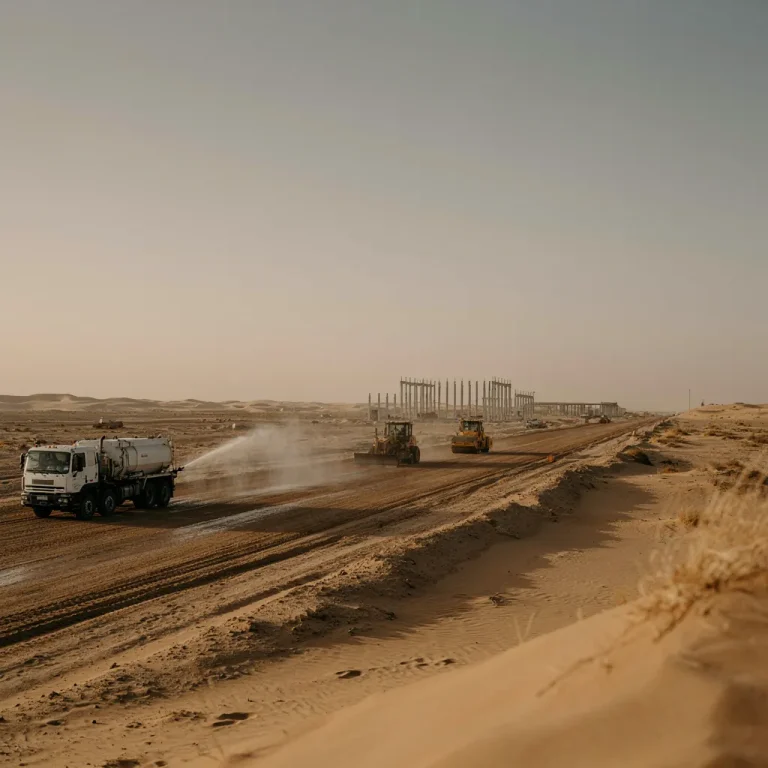
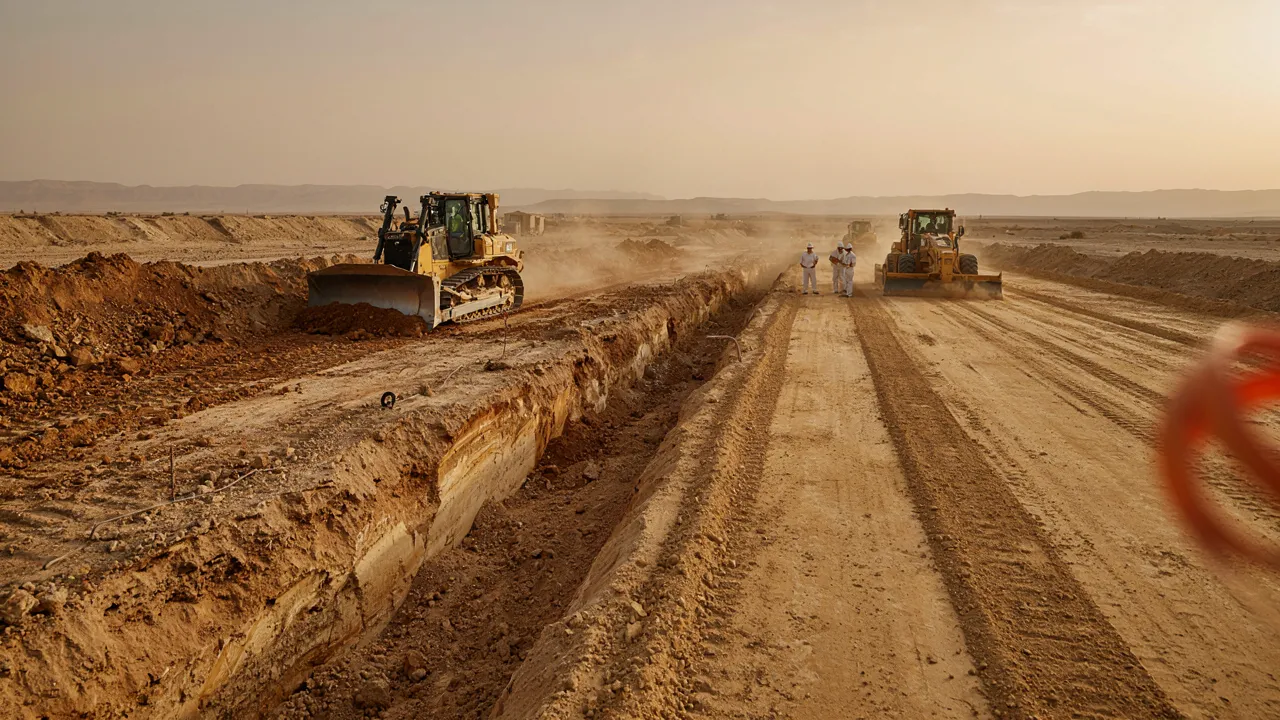
بدأ التنفيذ بتحديد مواقع الحفر الاستكشافية داخل نطاق المعالجة ومراجعة حالتها ميدانياً. ثم استُخدمت معدات التسوية لردم الحفر والمناطق المنخفضة، مع الاستفادة من التربة الناتجة عن الحفر نفسها وعدم استخدام مخلفات أو مواد ملوثة في الردم. وبعد ذلك سُوّي سطح الأرض لإزالة فروقات المناسيب وتحسين استواء الموقع.
شملت المعالجة الحواف والمناطق غير الآمنة وتنظيف نطاق العمل بعد التنفيذ. وطُبقت أثناء الأعمال ضوابط بيئية وتشغيلية Should include:
- الحد من إثارة الغبار قدر الإمكان.
- منع إلقاء المخلفات داخل الحفر.
- تجنب إحداث حفر أو تشوهات إضافية.
- فحص المعدة لمنع تسرب الوقود أو الزيوت.
- تقييد الوصول إلى مناطق العمل واستخدام معدات الوقاية المناسبة.
الأدلة الميدانية: قبل المعالجة
الأدلة الميدانية: أثناء وبعد المعالجة
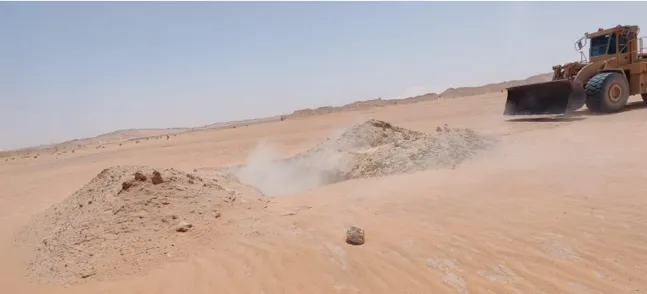
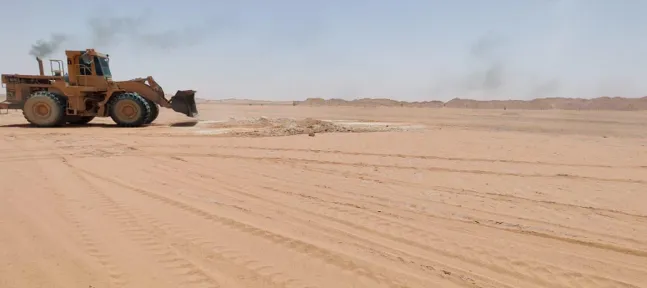
مصفوفة مؤشرات قبل/بعد وحالة الإثبات
تعرض المصفوفة خط الأساس، والمعالجة المنفذة، والحالة بعد الإجراء، ودليل الإغلاق المستخرج من تقرير الإتمام والصور الميدانية.
| المؤشر | قبل الإجراء | معيار الإغلاق | بعد الإجراء | حالة الإثبات |
|---|---|---|---|---|
| الحفر المفتوحة | حفر مفتوحة وغير مؤمّنة. | التحديد والردم والتسوية. | تم الردم والتسوية؛ لا حفر مفتوحة بالنطاق المعالج. | تقرير إتمام وصور. |
| Waste | مخلفات محدودة بأحد المنخفضات. | منع المخلفات والمواد الملوثة وتنظيف الموقع. | وثق التقرير استخدام مواد مناسبة ونظافة النطاق. | وصف وصور. |
| السطح ونواتج الحفر | أكوام وفروقات مناسيب. | الردم بناتج حفر مناسب وتسوية السطح. | سطح أكثر استواءً وأقل خطورة. | صور أثناء وبعد. |
| السلامة العامة | مخاطر سقوط وتعثر وانهيار حواف وتجمع مياه. | ردم الحفر ومعالجة الحواف. | انخفاض المخاطر بالنطاق المعالج. | معاينة بعد الإتمام. |
| الغبار والتسربات | غبار وتسربات محتملة أثناء التنفيذ. | خفض الغبار وفحص المعدة. | لا تسربات ظاهرة؛ لا قياس كمي للغبار. | إثبات إجرائي وبصري. |
نتائج المتابعة وإغلاق الإجراءات
- وثق تقرير الإتمام تنفيذ أعمال الردم والتسوية للمناطق المتأثرة بالحفر الاستكشافية.
- أكدت المعاينة بعد التنفيذ عدم وجود حفر مفتوحة أو مناطق منخفضة خطرة ضمن نطاق المعالجة.
- أصبح سطح الموقع أكثر استواءً، وانخفضت مخاطر السقوط والتعثر وانهيار الحواف وتجمع المياه والمخلفات.
- أظهرت الصور استخدام معدات مناسبة للردم والتسوية، مع توثيق مراحل التنفيذ وحالة السطح بعد الإتمام.
- تستمر التوصية بجولات تفتيش دورية، ومتابعة الموقع بعد الأمطار، وعدم تنفيذ حفر جديدة قبل استكمال الموافقات النظامية.
الدروس الفنية المستفادة
أظهر المشروع أهمية تحويل نتائج التحقق من الوضع الراهن إلى إجراءات إغلاق قابلة للتوثيق. فالحفر المفتوحة لم تُسجل كملاحظة وصفية فقط؛ بل رُبطت بخطوات تنفيذية شملت التحديد والردم والتسوية والتحقق بعد الإتمام.
كما أكدت التجربة ضرورة:
- التمييز الدقيق بين الآثار السابقة والنشاط التشغيلي الفعلي.
- توثيق كل مرحلة بصور مجهّلة ووصف تقني دقيق.
- استخدام مواد الردم المناسبة وتجنب إدخال ملوثات جديدة.
- إعداد تقرير إتمام يُعد وثيقة إثبات أمام الجهات الرقابية.
الأسئلة الشائعة حول التحقق البيئي ومعالجة مواقع التعدين
ما هي خطوات التحقق البيئي من موقع تعديني غير تشغيلي؟
تشمل خطوات التحقق البيئي: المراجعة المكتبية للوثائق، المعاينة الميدانية لرصد الحفر المفتوحة والمخلفات، تقييم المخاطر البيئية والسلامة، ثم إعداد تقرير فني موثق بالصور يتضمن توصيات المعالجة وإجراءات الإغلاق.
كيف تتم معالجة الحفر الاستكشافية في مواقع التعدين؟
تتم معالجة الحفر الاستكشافية عبر تحديد مواقعها ميدانياً، ثم استخدام معدات التسوية لردمها بالتربة المناسبة (يفضل ناتج الحفر نفسه)، ثم تسوية السطح لإزالة فروقات المناسيب وتحسين الاستواء، مع تطبيق ضوابط السلامة والبيئة أثناء التنفيذ.
ما أهمية تقرير إتمام أعمال التسوية البيئية؟
يُعد تقرير إتمام أعمال التسوية وثيقة إثبات تنظيمية تؤكد تنفيذ المعالجة المطلوبة، وتوثق الحالة قبل وبعد الإجراء، وتدعم مسار الالتزام البيئي أمام الجهات الرقابية وتقلل المخاطر القانونية والتشغيلية.
ما المخاطر البيئية للحفر المفتوحة في مواقع التعدين غير التشغيلية؟
تشمل المخاطر: تجمع مياه الأمطار وتكوين بيئة حاضنة للحشرات، انهيار جوانب الحفر، مخاطر السقوط والتعثر، تحول الحفر إلى نقاط تجمع للمخلفات، وإثارة الغبار من المواد المفككة.
هل تحتاج إلى تحقق بيئي أو معالجة موقع متأثر؟
فريق البعد البيئي جاهز لمساعدتك في تقييم حالة موقعك وإعداد خطط المعالجة والتسوية البيئية. اطلب استشارة فنية مجانية اليوم.
تمت مراجعة المحتوى بواسطة فريق الخبراء البيئيين
يتم إعداد ومراجعة المحتوى البيئي في شركة البعد البيئي للاستشارات البيئية بواسطة فريق من المختصين في الدراسات البيئية، تقييم الأثر البيئي، الالتزام البيئي والرصد البيئي.
تعرف على فريق الخبراء